
Mastering the Ocean Crédit Card
Learn how to use the Ocean Credit Card strategically to rebuild and strengthen your UK credit profile.

The Ocean Credit Card is often promoted as a gateway product for individuals rebuilding their credit in the UK — but approval is only the first step. Simply having the card does not improve your score. What truly makes the difference is how you manage it month after month.
For those dealing with poor credit history, limited credit files or past financial setbacks, the Ocean Credit Card can serve two very different purposes. Used carelessly, it reinforces negative patterns. Used strategically, it becomes a structured pathway toward measurable credit recovery.
This guide focuses on execution, not theory. You’ll learn how to transform the Ocean Credit Card into a disciplined credit-building tool, apply optimisation techniques that many users overlook, and combine it with complementary strategies to accelerate improvement within a realistic 6–18 month timeframe.
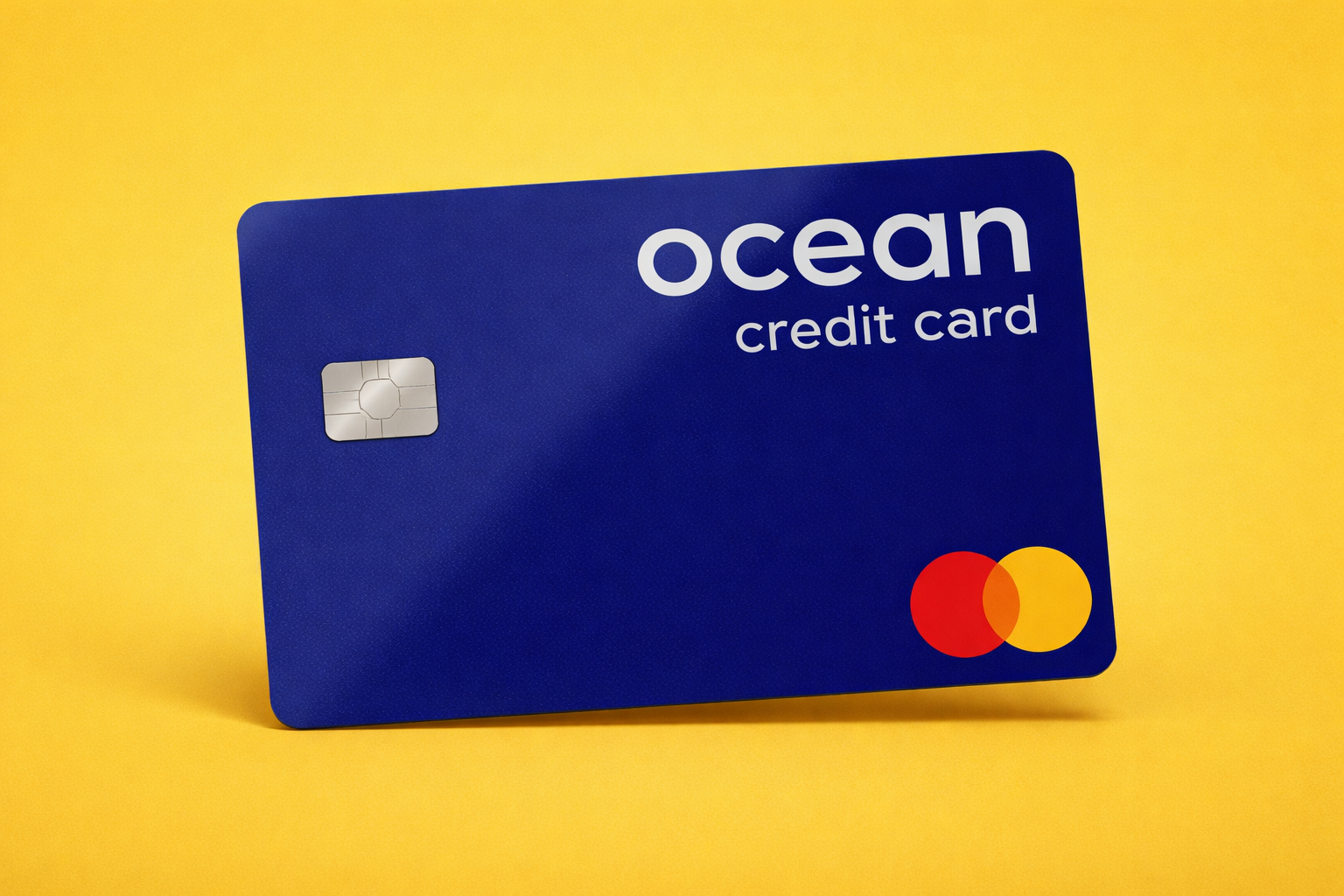
Ocean Credit Card
Credit Score Recovery No Annual FeeHow to Use the Ocean Credit Card Effectively
The Ocean Credit Card is not designed for rewards, travel perks, or large borrowing flexibility. It is a structured credit-building product with a clear purpose: demonstrating responsible repayment behaviour to UK credit reference agencies.
To benefit fully, you must treat it as a controlled reporting mechanism rather than a financing option. The goal is not to borrow — it is to build trust.
Used strategically, the card can strengthen your credit file, improve utilisation ratios, and open access to mainstream products in the future.
Step-by-Step Usage Strategy
Activate Immediately
Once approved, activate the card through the Capital One app or online portal. Enable paperless billing and set up real-time transaction alerts.
Early activation ensures that reporting begins promptly and reduces the risk of missing important account notifications.
Start Small
Begin with predictable, low-cost recurring expenses such as mobile phone bills, commuting costs, or small grocery purchases.
Avoid approaching your credit limit. Even temporary high balances can negatively impact your score if reported before repayment.
Pay in Full Each Month
The representative APR is 39.9% (variable), which makes carrying a balance expensive. Interest charges can quickly offset any rebuilding benefits.
Setting up a direct debit for the full statement balance eliminates repayment risk and ensures consistency. When paid in full, the card becomes an interest-free reporting tool.
Stay Below 30% Utilisation
Credit utilisation is one of the most influential factors in UK credit scoring models. If your credit limit is £1,000, aim to keep reported balances below £300. Lower is even better. Maintaining a low utilisation ratio signals financial control and reduces perceived lending risk.
Monitor with Credit Reference Agencies
Regularly review your credit file using services such as ClearScore, Credit Karma, or Experian. Look for consistent on-time payment reporting and gradually improving score trends. Address inaccuracies immediately to prevent setbacks.
Little-Known Optimisation Hacks
Many cardholders stop at basic usage. However, several advanced tactics can speed up credit recovery.
Request a Mid-Cycle Balance Update
Credit agencies may capture your balance before your statement closes. After clearing your balance, you can contact Capital One and request an updated report to reflect a lower utilisation.
This ensures your responsible repayment behaviour is accurately recorded.
Minimum Direct Debit + Manual Overpayment
Set up a direct debit for the minimum payment as a backup safety net. Then manually clear the remaining balance several days before the due date.
This dual-layer approach protects against accidental missed payments due to cash flow timing.
Use During “Quiet” Reporting Periods
Keep spending low around your statement reporting date. High balances near reporting periods can temporarily reduce your score, even if repaid shortly after.
Timing your spending strategically improves how your account appears on your credit file.
Layer With Other Building Tools
The Ocean Credit Card works best when paired with additional credit-building services. Loqbox helps build savings while reporting activity. Experian Boost adds subscription data. CreditLadder reports rental payments.
Together, these tools create a broader and more resilient credit profile.
Ocean Credit Card
Source: Ocean
Frequently Asked Questions (Non-Obvious)
- Can I use the Ocean Credit Card abroad?
Yes, but foreign transaction fees of approximately 2.75% apply. It is not an ideal option for frequent international travel. - Does Ocean perform a hard check for credit limit increases?
No. Credit limit reviews are typically automated and do not require additional hard searches. - Will late payments ruin progress?
Yes. Even one missed payment can significantly reduce your score and delay recovery for months. - Can I hold multiple credit builder cards?
Yes. Some users combine Ocean with Aqua, Vanquis, or Tesco Foundation to diversify reporting lines.

Maximising Value Beyond Credit Repair
When managed properly, the Ocean Credit Card can serve additional strategic purposes beyond rebuilding.
Emergency Buffer
After demonstrating consistent repayment behaviour, the card can act as a short-term emergency reserve. However, balances should always be cleared within the same billing cycle to avoid interest.
Digital Subscription Management
Assign small recurring charges like streaming services or gym memberships to maintain steady account activity. Low-risk recurring payments help maintain reporting consistency without increasing utilisation significantly.
Credit Mix Enhancement
Combining revolving credit (like Ocean) with instalment credit such as a small credit union loan can improve your overall credit mix. A diversified profile is generally viewed more favourably by lenders.
Alternatives and Complementary Solutions
Complementary Products
- Loqbox – Structured savings with credit reporting
- Experian Boost – Adds subscription and council tax data
- CreditLadder – Reports rent payments
These tools strengthen your profile without increasing borrowing exposure.
Common Mistakes to Avoid
Carrying a balance consistently will result in high interest costs. Maxing out your credit limit damages your utilisation ratio and reduces score gains.
Failing to review your credit file can allow reporting errors to go unnoticed. Relying on a single credit account limits the strength of your overall profile.
Final Recommendation
The Ocean Credit Card is not designed to be permanent. It is a bridge product intended to restore access and rebuild trust within the UK credit system.
For individuals recovering from financial setbacks, it offers structured reporting, manageable limits, and simple account management.
The objective should be to graduate from it within 12 to 18 months. Used strategically and paired with complementary tools, it can open doors to mainstream cards with lower APRs and stronger benefits.
When approached with discipline, the Ocean Credit Card becomes not just a credit builder — but a transition strategy toward long-term financial stability.
Ocean Credit Card
Credit Score Recovery No Annual Fee